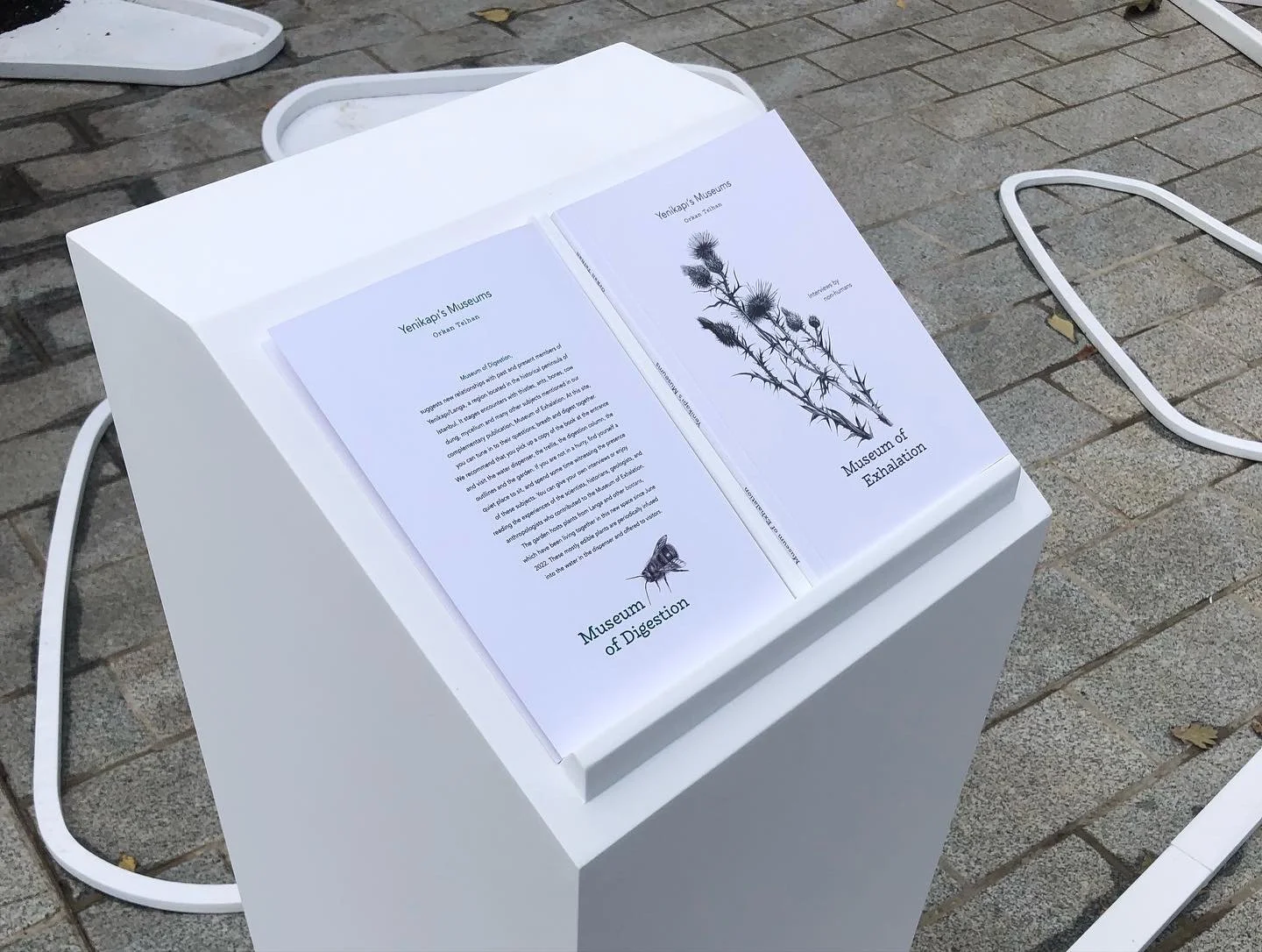
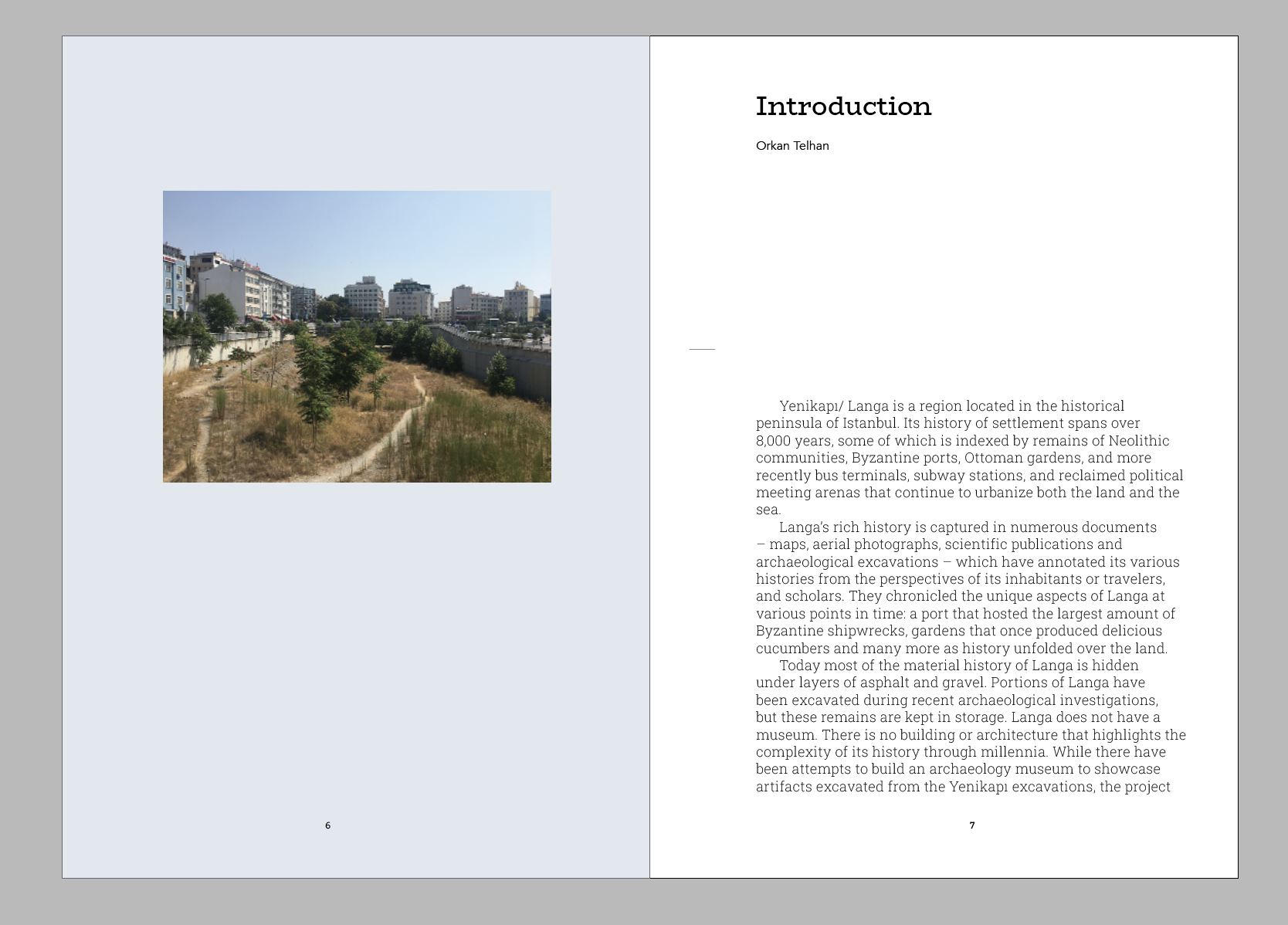
Developed for the 17th Istanbul Biennial (2022), curated by Ute Meta Bauer, Amar Kanwar, and David Teh, Yenikapı’s Museums extends Orkan Telhan’s long-term investigation of Yenikapı/Langa, one of Istanbul’s most contested urban territories. The district occupies a site where thousands of years of human and non-human histories remain buried beneath contemporary infrastructures of asphalt, concrete, excavation, and redevelopment. Archaeological discoveries made during the construction of the Marmaray rail system revealed one of the most significant historical archives in the city, yet much of the area continues to be understood through narratives centered on human settlement, commerce, and empire.
The project proposes two alternative museums that challenge conventional forms of historical representation and question the inherently extractive and anthropocentric logic through which museums often construct knowledge. Rather than treating land as a passive repository of evidence awaiting human interpretation, Telhan approaches Yenikapı as a living assemblage of biological, geological, cultural, and metabolic processes.
The Museum of Exhalation takes the form of a publication composed of interviews between archaeological artifacts unearthed in Yenikapı and specialists from different disciplines. Through these conversations, objects become active participants in the production of knowledge, destabilizing the authority of expert interpretation and opening space for alternative forms of historical narration.
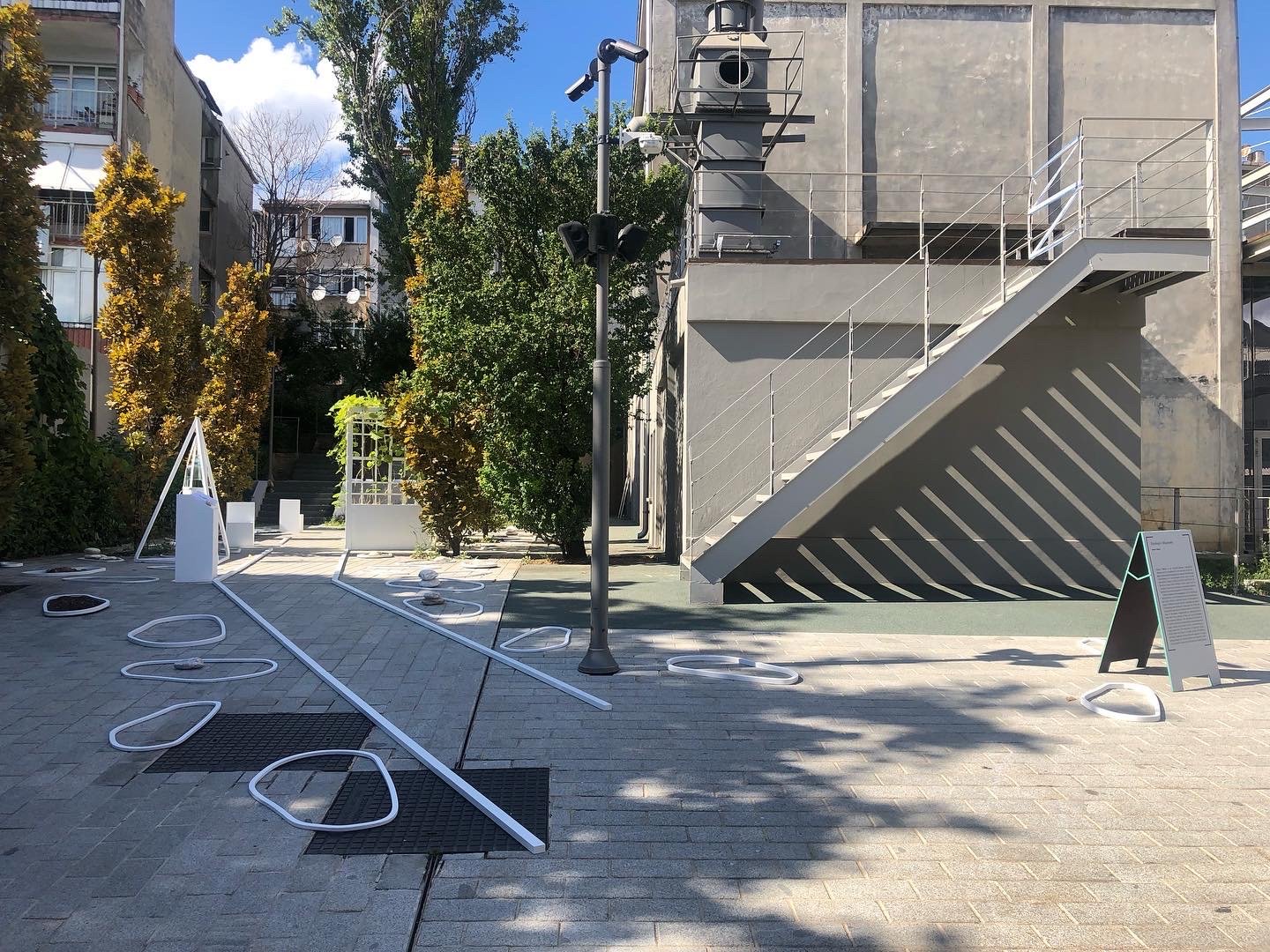
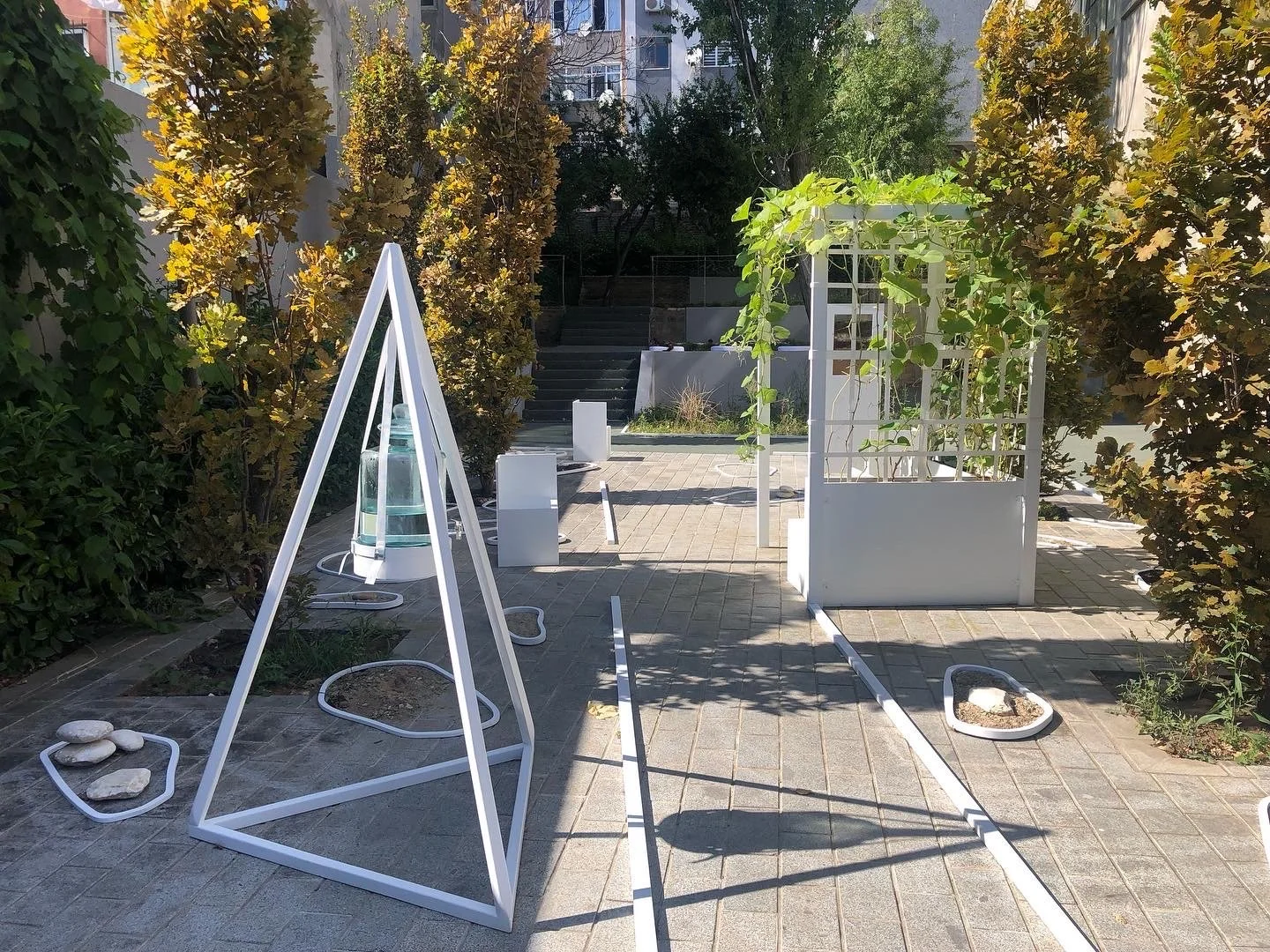
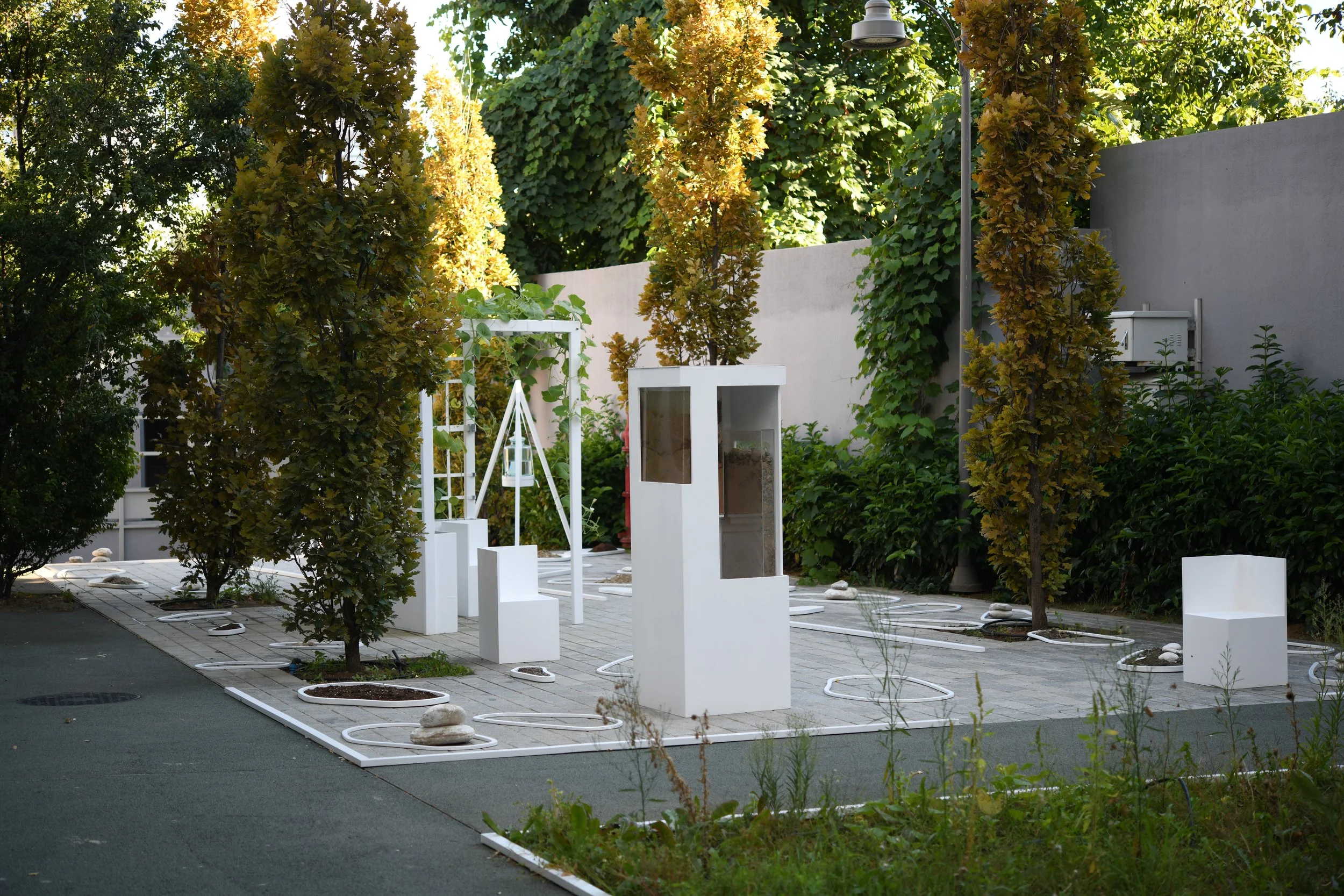
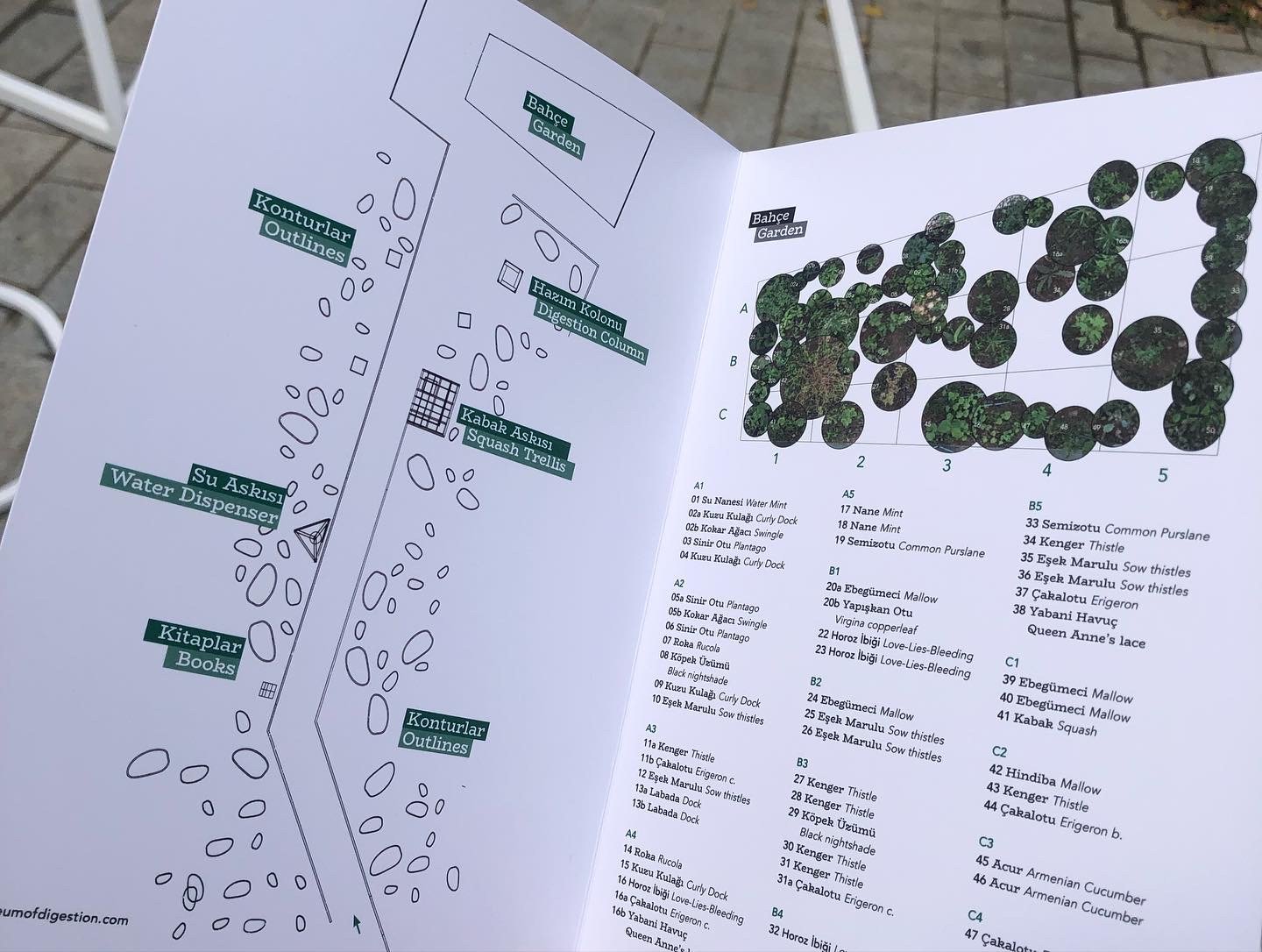
The Museum of Digestion, presented as a public garden installation at Müze Gazhane, translates the ecological, botanical, and microbial dimensions of Langa into a spatial experience. Visitors encounter plants, materials, and organisms associated with the district, engaging with its histories not only intellectually but also metabolically. The work suggests digestion as an alternative model for museum practice: a process through which histories are absorbed, transformed, and continuously reconstituted within living bodies rather than preserved as static records.
Together, the two museums propose a shift from archaeology as excavation toward archaeology as metabolism. By foregrounding the agency of non-human actors and the ongoing labor of ecological systems, Yenikapı’s Museums asks how histories of place might be narrated when the land itself becomes a participant in the telling.
See the Museum of Digestion project website for more information.